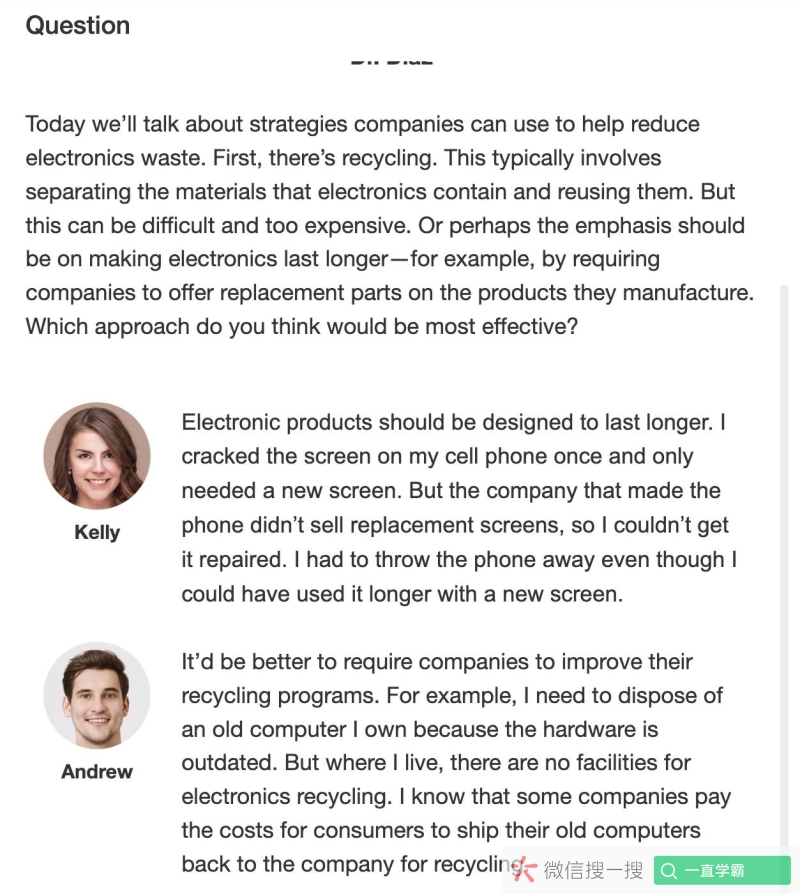
When it comes to which approach is the most effective to reduce electronic wastes, the answer is always debatable. Considering that hardly can we prevent people from purchasing the state-of-the-art devices, which are always appealing to consumers, it is advisable to boost the second-hand markets, which means a prosperous recycling market is in demand.
Nowadays, technology garbage has bothered people for years, given that the waste materials in devices are poisonous and hard to decompose. Therefore, in order to make the most use of them, the governments should enact new laws to encourage the second-hand markets, where people can easily find the next consumer and sell their used digital equipment. With the guidance from policies, not only are enterprises equipped with confidence to build up second-hand markets' order, but also they organize strategies to extend the lifespan of electronic products. More devices have the chance to be used longer and again. Additionally, people sell their used ones with discounted prices, stimulating the buying behaviors from those who might otherwise buy a brand new device. As a result, e-waste is diminished at the source since fewer devices are needed in the original market.
Although Kelly mentions that the products should be designed to last longer, which I partially agree with, she overlooks the fact that businesses intend to make them last shorter because they can sell more merchandise and earn revenues. Thus, in my opinion, this is not an imperative method to truly address the issue.




官方助手
2025-07-18
已批改