2025-08-07
- 分享
-

-


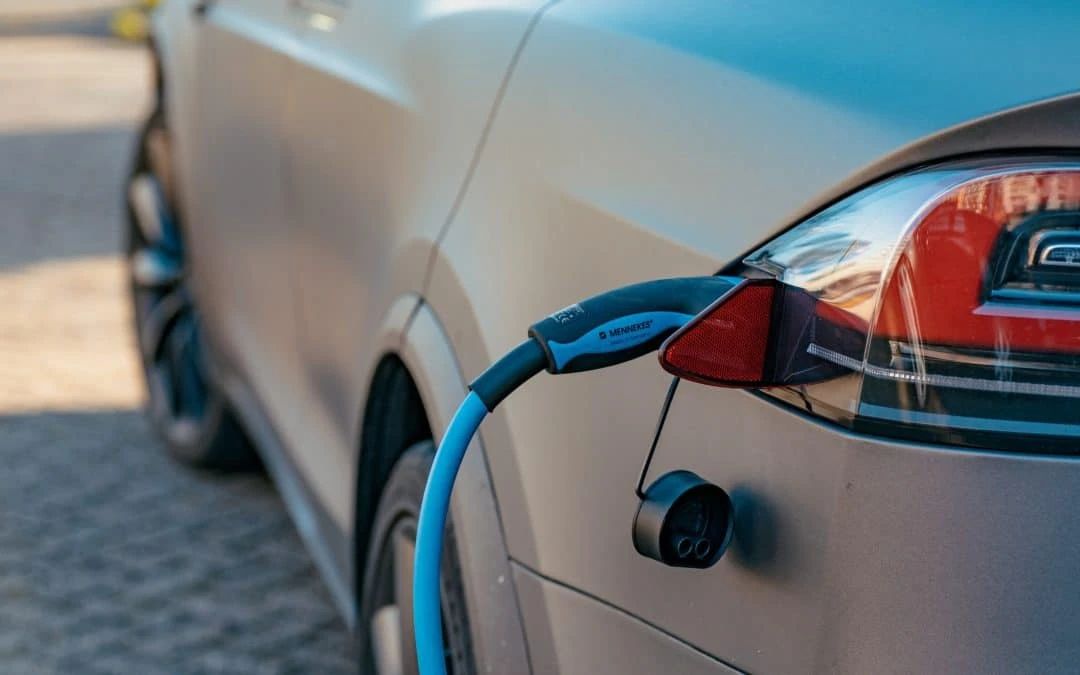
Electric vehicles also cause air pollution
电动汽车也会造成空气污染
Though fume-free, their brake pads and tyres disintegrate over time
尽管电动汽车无尾气排放,但其刹车片和轮胎会随时间逐渐磨损
People are dying for clean air. According to the most recent estimates from the Institute of Health Metrics and Evaluation at the University of Washington, air pollution caused 4.7m early deaths worldwide in 2021—about the same as dementia, road-traffic accidents, malaria and suicides combined.
人们渴望呼吸清洁的空气。根据华盛顿大学健康指标与评估研究所的最新估算,2021年全球因空气污染导致的过早死亡人数高达470万,这一数字与痴呆症、道路交通事故、疟疾和自杀造成的死亡人数总和大致相当。
Road traffic is a leading contributor to dirty air; in London, for instance, it is responsible for 60% of outdoor particulate dust. Electric vehicles (EVs) are often preferred because they can be powered by clean, sustainable energy sources and, in contrast to petrol and diesel cars, produce no exhaust fumes.
道路交通是空气污染的主要元凶之一。例如,在伦敦,道路交通产生的室外颗粒物灰尘占到了总量的60%。电动汽车之所以备受青睐,是因为它们可以由清洁、可持续的能源提供动力,而且与汽油车和柴油车不同,电动汽车不会产生尾气排放。
But EVs nevertheless emit other pollutants common to all cars: particles originating not from the exhaust, but from brakes, tyres and roads. These, too, can be dangerous for human health.
然而,电动汽车同样会排放其他汽车常见的污染物:这些颗粒物并非来自尾气,而是源于刹车片、轮胎和道路的磨损。这些颗粒物同样会对人类健康构成威胁。
The most dangerous particles are those smaller than 2.5 microns in diameter, which get into the lungs and reach other organs via the bloodstream. Such dust can increase the risk of heart disease, stroke, lung disease and cancer.
最危险的颗粒物是那些直径小于2.5微米的颗粒,它们能够进入肺部,并通过血液循环到达其他器官。这种灰尘会增加患心脏病、中风、肺部疾病和癌症的风险。
According to British government statistics, 60% of road-traffic particles below 10 microns do not come from the combustion, but from the gradual breakdown of tyres, brake pads and roads.
根据英国政府的统计数据,在直径小于10微米的道路交通颗粒物中,有60%并非来自燃烧过程,而是源于轮胎、刹车片和路面的逐渐磨损。
In addition to being less well regulated than exhaust fumes, non-exhaust particles are also less well studied. That is changing. One study published in February by researchers at the University of Southampton found that some brake-pad dust seems to be more damaging to dish-grown human lung cells than diesel-fume particles. This was in part because of its higher levels of copper, which can damage cells and DNA.
与尾气排放相比,非尾气颗粒物受到的监管较少,对其研究也相对不足。但这种情况正在发生改变。南安普顿大学的研究人员于今年2月发表的一项研究发现,一些刹车片粉尘对培养皿中的人类肺细胞的损害似乎比柴油尾气颗粒更为严重。这在一定程度上是因为刹车片粉尘中铜的含量较高,而铜会损害细胞和 DNA。
Though exact figures are elusive, scientists estimate that EVs produce more of these non-exhaust particles than other cars. This is because their batteries make them heavier, causing them to generate more friction. (According to Hannah Ritchie, a data scientist at the University of Oxford, in 2023 the mean weight of an EVwas 2,133kg, whereas regular cars weighed around 1,500kg in Britain and 1,800kg in America.) As cars continue to get bigger, the risk is that EVs become more polluting.
尽管具体数据难以精确统计,但科学家们估计,电动汽车产生的非尾气颗粒物比其他汽车更多。这是因为电动汽车的电池使其重量增加,从而导致更多的摩擦产生。(据牛津大学的数据科学家汉娜·里奇称,2023年电动汽车的平均重量为2133千克,而英国普通汽车约为1500千克,美国约为1800千克。)随着汽车重量的不断增大,电动汽车的污染风险也在增加。
Although EVs may be dirtier than you think, they are still mostly less polluting than other cars. That is partly because they use an extra braking system called regenerative braking.
尽管电动汽车可能比你想象的更“脏”,但总体而言,它们仍然比其他汽车更环保。这在一定程度上是因为电动汽车采用了额外的制动系统——再生制动。
When the driver removes their foot from the pedal, the continued forward motion of the car is harvested to recharge the battery, thereby slowing the car down. That system works independently of brake pads, potentially eliminating one source of emissions.
当驾驶员松开踏板时,汽车的持续前行动力会被收集起来为电池充电,从而减缓车速。这一系统独立于刹车片工作,因此有可能消除一个污染排放源。
One study from 2021 estimated that, when regenerative braking was used for all braking, EVs produced a total of about 14 milligrams of fine particles per vehicle per kilometre on urban roads, whereas petrol cars produced about 18 and diesel cars 20 (exhaust included).
2021年的一项研究估计,在城市道路上,当完全使用再生制动来实现汽车制动时,电动汽车每公里每辆车产生的细颗粒物总量约为14毫克,而汽油车约为18毫克,柴油车则为20毫克(包括尾气排放)。
More radical steps can also be taken. Regulating non-exhaust emissions in a similar way to fumes would be one way to minimise harm to human health. Encouraging people to consider smaller cars, though difficult, would be another. Enormous cars are disastrous for road safety and most people will never need the extra range that the largest car batteries provide.
还可以采取更为激进的措施。像监管尾气排放一样监管非尾气排放,是减少对人体健康危害的一种方式。鼓励人们考虑购买更小的汽车,尽管困难重重,但也是另一种有效途径。大型汽车对道路安全构成严重威胁,而且大多数人永远不需要大型汽车电池所提供的额外续航里程。
Ensuring EVs run on clean electricity is also important: if their power is ultimately generated by burning coal, say, that just moves the pollution from the exhaust to the power plant chimney. Though EVs are necessary for the energy transition, they are currently far from emission-free.
确保电动汽车使用清洁电力也同样重要:例如,如果其电力最终是通过燃烧煤炭产生的,那么污染只是从尾气转移到了发电厂的烟囱里。尽管电动汽车对于能源转型至关重要,但目前它们还远未达到零排放的标准。
2025-08-07

评论 0