2025-08-07
- 分享
-

-


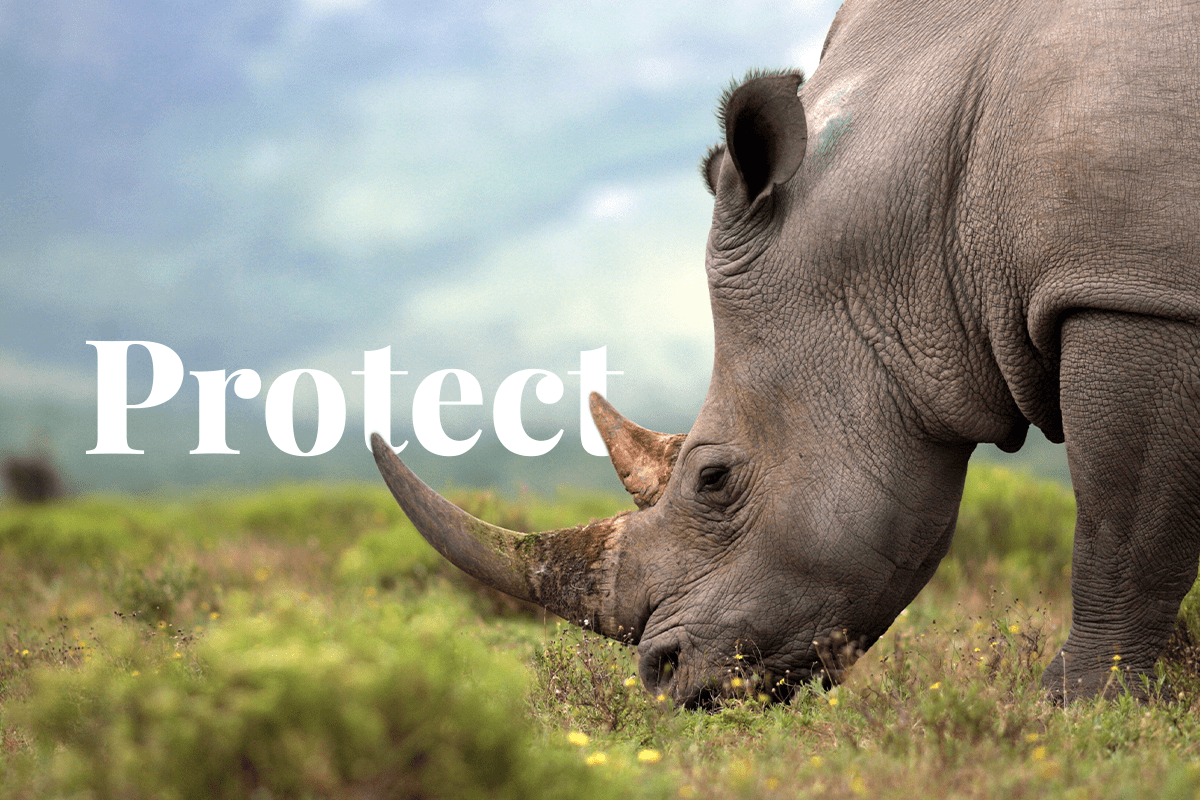
Endangered species could be saved by faeces, say scientists
科学家称:粪便或可拯救濒危物种
Animal dung could be used to save endangered species, scientists believe. A new trial by the University of Oxford and Chester Zoo is aiming to harvest living cells from faeces in the hope they could be transformed into stem cells and eventually sperm and eggs.
动物粪便可用于拯救濒危物种,科学家们对此深信不疑。牛津大学和切斯特动物园正在开展一项新试验,旨在从粪便中提取活细胞,希望这些细胞能够转化为干细胞,最终培育成精子和卵子。
If successful, it could allow conservationists to collect genetic samples of rare and endangered animals from their waste without having to bother, or even see, the creature itself. The cells could be used to inseminate or clone animals and bring them back from the brink of extinction.
若试验成功,保护主义者将能够从濒危珍稀动物的排泄物中收集基因样本,而无需打扰甚至亲眼见到这些动物。这些细胞可用于给动物授精或克隆动物,从而将它们从灭绝的边缘拯救回来。
Dr Rhiannon Bolton, carrying out research on dung from lions, elephants, giraffes and okapi at Chester Zoo, said: "If this works, it could be a total game-changer. Right now, UK veterinary guidelines mean you can only collect genetic samples in very specific circumstances or following death, which limits the samples you can collect.”
切斯特动物园里,里安农·博尔顿博士正在对狮子、大象、长颈鹿和霍加狓的粪便进行研究,她表示:“如果这能成功,那将彻底改变现状。目前,英国的兽医准则规定,只有在非常特定的情况下或在动物死亡后才能采集基因样本,这限制了可采集样本的数量。”
"It's early days yet, but this would allow us to collect cells from a far broader range of animals than we currently can, both individuals within a species and in terms of different species. It would make collecting and storing living animal cells non-invasive, cost-effective and efficient. "
“虽然目前还处于初期阶段,但这种方法将使我们能够从比目前多得多的动物身上采集细胞,包括同一物种的不同个体以及不同物种。这将使活体动物细胞的采集和储存变得无创、经济高效且高效。”
Oxford is currently trialling new techniques to isolate, wash and culture living cells to store them for conservation purposes. The faecal matter is processed to strip away anything left by the animal's diet or bacteria, allowing scientists to separate out living cells from the donor animal, which can then be extracted and cultured.
牛津大学目前正在试验新的技术,以分离、清洗和培养活细胞,并将其储存起来用于保护目的。粪便样本经过处理,去除动物饮食或细菌留下的任何物质,使科学家能够从供体动物中分离出活细胞,然后进行提取和培养。
These living cells have the potential to be used to create stem cells further down the line. Stem cells in turn could become sperm and egg cells, which would be used in conservation breeding or even cloning. The International Union for Conservation of Nature estimates that more than 41,000 species are currently under threat of extinction.
这些活细胞未来有可能被用于制造干细胞。而干细胞又可进一步发育成精子和卵细胞,用于保护性繁殖甚至克隆。据国际自然保护联盟估计,目前有超过4.1万个物种面临灭绝威胁。
Dr Bolton said: "The keepers and scientists at the zoo pick up samples left in animal habitats. Because these are new techniques, we're trying to collect the freshest samples possible, so I'll get a delivery to the zoo lab, which is processed here."
博尔顿博士说:“动物园的饲养员和科学家会收集动物栖息地中留下的样本。由于这些是新方法,我们正试图收集尽可能新鲜的样本,所以我会收到送到动物园实验室的样本,并在那里进行处理。”
"The clean cells are then posted to Oxford on the same day. We're looking at a range of animals as the cells from some species might be harder to culture than others. It's likely that the techniques will have to be tweaked for different species. "
“然后,这些经过处理的干净细胞会在当天寄往牛津大学。我们正在研究多种动物,因为某些物种的细胞可能比其他物种更难培养。很可能需要针对不同物种对这些方法进行调整。”
Currently, the samples must be collected quickly to ensure their freshness, so zoo animals are the perfect donors, but this technique could one day be used in the field, preserving cells from rare animals in the wild. The goal is to bank as much material as possible to prevent extinctions.
目前,样本必须迅速采集以确保新鲜,因此动物园动物是理想的样本提供者,但未来有一天,这项技术也可应用于野外,保存野生珍稀动物的细胞。目标是尽可能多地储存材料,以防止物种灭绝。
Chester Zoo already monitors the dung of its animals to track their health and breeding potential. By testing hormones in animal scat, scientists at the zoo can tell whether animals are ready to mate.
切斯特动物园已经通过监测动物粪便来追踪其健康和繁殖潜力。通过检测动物粪便中的激素,动物园的科学家可以判断动物是否已准备好交配。
Dr Sue Walker, the head of science at Chester Zoo, said: "Faecal testing is integrated into the daily care of our animal species. We use it to monitor the reproductive and overall health of the animals."
切斯特动物园科学主管苏·沃克博士表示:“粪便检测已融入我们对动物物种的日常照料中。我们用它来监测动物的生殖健康和整体健康状况。”
"For instance, we track progesterone in the females which allows us to predict their cycles and lets us know when they are likely to be receptive to a breeding partner, and hormonal analysis also gives us a picture of how they respond to their environment. It helps us offer them optimal care."
“例如,我们追踪雌性动物体内的孕酮水平,这使我们能够预测它们的发情周期,并了解它们何时可能接受交配对象。激素分析还能让我们了解它们对环境的反应。这有助于我们为它们提供最佳照料。”
"As a conservation zoo, many of the animals we look after are critically endangered. This means their genetics are extremely valuable to the survival of a species as a whole. As science advances, these methods could offer a lifeline to species on the brink."
“作为一家保护型动物园,我们照料的许多动物都处于极度濒危状态。这意味着它们的基因对整个物种的生存具有极高的价值。随着科学的进步,这些方法可能会为濒危物种提供一线生机。”
2025-08-07

评论 0